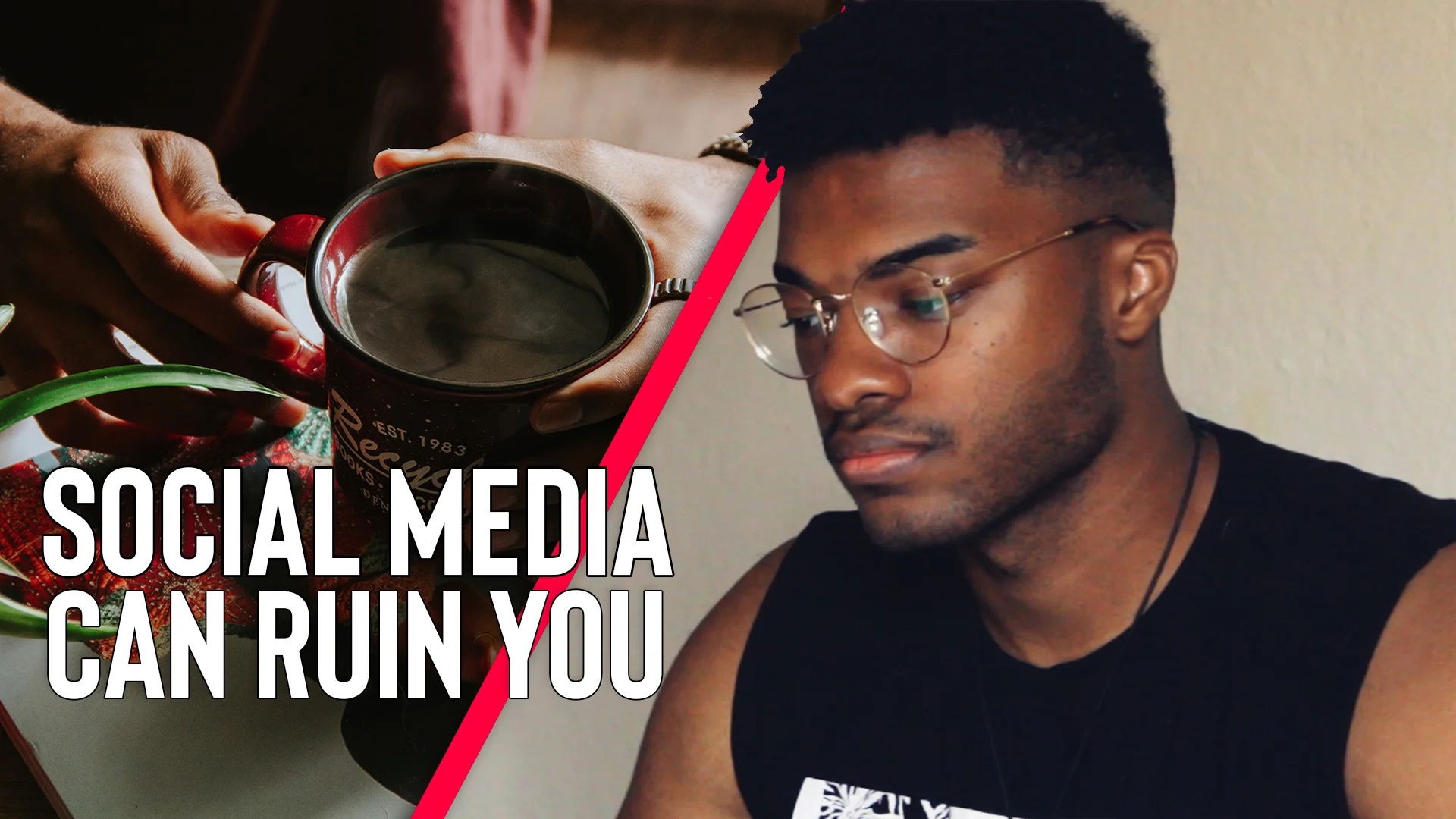
In a landscape where networking is king, social media finds itself playing the role of a mountain or an independent state: a physical representation of success meant to impress or maintain influence over an audience. In a lot of ways, social media is much more than just a delivery service for messages and ideas. It has evolved since its inception, maturing into a space of its own, housing entire lives, personalities, insanely profitable business opportunities, etc.
← →
A black indicator flickered on top of a white background seconds before a sentence was typed out and sent across a network, materializing within a blank box that housed many messages like that one before. A chat room—but only until it became much more. Soon, text transformed into video. Video which would eventually become monetizable. And then advertisements—businesses and corporations spreading their own ideas and products in hopes of accessing a sizable market within a mostly untapped environment. All of this leading to now. An era where social media has proven its worth, presumably here to stay regardless of its positive or negative perception.
The impact of social media seemed largely beneficial initially. Meeting like-minded people became that much easier, forging life-long relationships between those who might not have met otherwise. News around the world became available to everyone, and in a very digestible way. Smaller businesses and entrepreneurs were suddenly carving their own way into industries that were entirely exclusive. Social media flipped the world upside down.
Just like any interesting story, this one has a dark side to it. With worldwide access to a digital network connecting almost everyone to one another came a much more adverse approach to online media. Those with evil intentions found ways to utilize the very same tool that constructed so much positivity in a malicious manner. Black Hat hackers found ways to exploit media sites and apps to their advantage, abusing security vulnerabilities by way of viruses within links spread through direct messages on those platforms. Negative news seemed more prevalent than before, creating a hostile and timid environment. Smaller, aspiring influencers as well as your everyday citizen began to closely compare themselves to larger influencers or those they perceived to be doing “better” than them on every platform. This resulted in, generally speaking, a drop in quality of life and mental health in the younger generations.
By way of an article published by USA Today on Nov. 30, 2016, written by Josh Hafner (http://usat.ly/2gkQAyO), researchers from Lancaster University reviewed studies from 14 countries necessitating 35,000 participants between ages 15 and 88. The research shows that frequent use of social media, including comparing oneself negatively to others online, resulted in an increase in depression. This was especially due to “rumination,” the act of recalling those online interactions long removed from the initial viewing. Though, it seems that different forms of utilization resulted in either depression or rumination, but not necessarily both at the same time. As explained in the article, pinpointing an accurate reasoning behind depression formed by social media would be very hard to accomplish, but it is very safe to presume that not only the use of social media, but the lingering of the experience in one's mind throughout the day can lead to a decrease in the quality of life or mental stability of the user, dependent on how it is used and the content consumed. And because most social media sites work almost identically, it could be concluded that these problems aren’t limited to only Facebook.
Anecdote Time: As a content creator, I found myself almost obsessively using Instagram. I went through a stint where I posted photos very frequently, which ultimately resulted in burnout. I fell in love with the feeling I got from the likes and comments I would receive on a popular post. My following is relatively small, so a high performing post wasn’t as high as you might assume. Regardless, after experiencing what I perceived to be a positive moment in my Instagram “career”, as expected, likes and comments began to dwindle. I tirelessly chased that feeling that I once had when posting on the platform. Unsuccessful in my journey, I fell into a slight depression. My content was no longer good enough. Creating became a burden rather than a joy; I overworked myself, and for all the wrong reasons. Long story short, meditation and a long hiatus from the online world ultimately fixed the issues I had with my relationship with social media. I don’t think my post volume ever fully recovered after that. Possibly due to my recollection of those dark times. I now accept that I may never get as “popular” as I would like to be. But that is not why I create. I create to live; I create for me. Regardless of whether I’m getting paid for posts, or whether I’m doing it for free--I post for my own soul and happiness.
← →
In transition, I’ve been hearing an interesting conversation happening in the online space. That of which pertains to Instagram and the effect it may have on one’s mental. Specifically, these conversations and arguments revolved around the idea that posts that make their way to Instagram are carefully curated, resulting in a grid that isn’t truly representative of the users’ life. Though this is true, I disagree with that generality in some ways.
Instagram provides its users a secure page to post what they like. Most people share pictures of themselves, maybe photos of their family members or an adventurous trip they went on last summer with their foolhardy ex, but numerous users utilize Instagram to share their art and ideas with the world. Posting a photo of yourself dressed to the 9’s, or a cinematic video of you taking a trip to the Bahamas isn’t “fake” just because it isn’t your everyday life. That is a given. Common sense tells us that everyone you follow on Instagram isn’t a millionaire who spends their evenings casually partying on a yacht. It’s okay for us to post a highlight reel on the internet. Or to show your best side to those who follow you for your ability to really exemplify that. I guess the issue lies with education. It is important for everyone to be aware of Instagram’s true purpose. This way we can avoid the burning question: is Instagram real or fake?